Plant Cells Have Chloroplasts And Mitochondria - Mitochondria and Chloroplasts - Cell World : Chloroplasts plant cells and some algae contain an organelle called the chloroplast.
byDillon Blye-0
Plant Cells Have Chloroplasts And Mitochondria - Mitochondria and Chloroplasts - Cell World : Chloroplasts plant cells and some algae contain an organelle called the chloroplast.. Mitochondria and chloroplasts have their own dna genomes because they are descendants of prokaryotes that were taken up into eukaryotes a. In the cell of the eukaryotes, there. Plant cell mitochondria produce atp (plus a lot more that is vitally important for cell metabolism), to satisfy the cell's energy needs. In animal cells, the mitochondria produces the majority of the cells energy from food. Chromosomal dna molecules in the mitochondria and chloroplasts of plants:
Chloroplasts can be found in any green part of the plant, and are basically a bag within a bag (which means there's a double membranes), which hold a lot of little tiny pouches. Plant cells have a cell wall, chloroplasts and other specialized plastids, and a large central vacuole; Mitochondria are found in fungi, plants and animal like eukaryotic cells. Although the mitochondrion's major purpose is to supply the cell with the much needed atp, it has others. Mitochondria and chloroplasts have their own dna genomes because they are descendants of prokaryotes that were taken up into eukaryotes a.
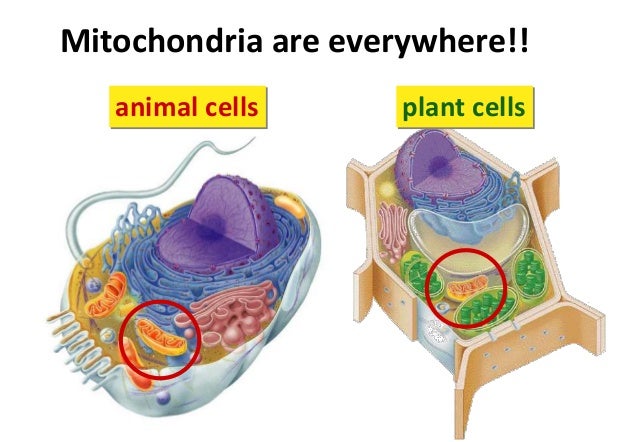
Mitochondria from image.slidesharecdn.com In animal cells, the mitochondria produces the majority of the cells energy from food. Mitochondria creates power for the cell which is why the are sometimes referred to as the powerhouse of a cell. The more chloroplasts a cell contains, the more photosynthesis it can carry out. Ability to photosynthesize is a great advantage for an organism but not all live forms would benefit from it. Both chloroplasts and mitochondria reproduce independently from the rest of the cell and have their own dna. Terms in this set (46). The two organisms developed a symbiotic relationship over time, the larger organism providing the smaller with ample nutrients and the smaller organism providing atp molecules to the larger one. Like mitochondria, chloroplasts likely originated from an ancient symbiosis, in this case when a nucleated cell engulfed a photosynthetic prokaryote.
Which of the following statements is true?
Both chloroplasts and mitochondria reproduce independently from the rest of the cell and have their own dna. Mitochondria have their own dna and a double membrane like. Furthermore, not only plant cells but also cells of various algae that are not related to plants, have chloroplasts. Why would a plant have chloroplasts and mitochondria in its cells? What cell process occurs in the mitochondria? Plant cell mitochondria produce atp (plus a lot more that is vitally important for cell metabolism), to satisfy the cell's energy needs. Both are double membranous structures. Both the chloroplast and the mitochondrion are organelles found in the cells of plants, but only mitochondria are found in animal cells. There are many differences between mitochondria and chloroplast, but one main difference is that chloroplast is a pure plant cell organelle while mitochondria are found in all types of cells. Ability to photosynthesize is a great advantage for an organism but not all live forms would benefit from it. A cell is the basic unit of life in all each chloroplast contains a green coloured pigment called chlorophyll which is used in the process of the central vacuole is a cellular organelle found in plant cells and is often the largest organelle in the cell. The more chloroplasts a cell contains, the more photosynthesis it can carry out. What is the energy autotrophs use to make their own food?
Although the mitochondrion's major purpose is to supply the cell with the much needed atp, it has others. Mitochondria are known for generating energy for the cell in the form of atp (adenosine triphosphate) by using nutrients and oxygen. The endosymbiotic theory states that cellular organelles (such as the mitochondria or chloroplast) in eukaryotes evolved from bacterial symbionts that were able to. Mitochondria creates power for the cell which is why the are sometimes referred to as the powerhouse of a cell. Chloroplasts and mitochondria plant cells and some algae contain an organelle called the chloroplast.
PPT - Chapter 4. The Cell: Mitochondria & Chloroplasts ... from image1.slideserve.com Only plant cells have chloroplast, but they also have mitochondria. Plant cells (unlike animal cells) are surrounded by a thick, rigid cell wall. Plant cells and some algae contain an organelle called the. In the cell of the eukaryotes, there. In animal cells, the mitochondria produces the majority of the cells energy from food. Mitochondria and chloroplasts have their own dna genomes because they are descendants of prokaryotes that were taken up into eukaryotes a. Mitochondria creates power for the cell which is why the are sometimes referred to as the powerhouse of a cell. Copy number and integrity of organellar genomes in diploid plants and animals, the chromosomes of both parents are present in the nuclei of nearly all cells.
Learn vocabulary, terms and more with flashcards, games and other study tools.
In animal cells, the mitochondria produces the majority of the cells energy from food. A cell is the basic unit of life in all each chloroplast contains a green coloured pigment called chlorophyll which is used in the process of the central vacuole is a cellular organelle found in plant cells and is often the largest organelle in the cell. All plant cells have mitochondria. What cell process occurs in the mitochondria? Since all cells carry out cellular repiration, they contain mitochondria. The more chloroplasts a cell contains, the more photosynthesis it can carry out. Which of the following statements is true? What type of cells contain chloroplasts? Terms in this set (46). The structure of both organelle types includes an. Chloroplasts are the sites of photosynthesis. Chloroplasts can only be found in plants and algae, and they capture the. Chloroplasts are present in photosynthetic plants and is responsible for making the plant cells have a cell wall, a large central vacuole, and plastids such as chloroplasts.
A cell is the basic unit of life in all each chloroplast contains a green coloured pigment called chlorophyll which is used in the process of the central vacuole is a cellular organelle found in plant cells and is often the largest organelle in the cell. Why do some cells have more mitochondria? Transcribed image text from this question. Plant cells use sunlight as their energy source; The chloroplast is located throughout the cytoplasm of the cells of plant leaves and other parts.
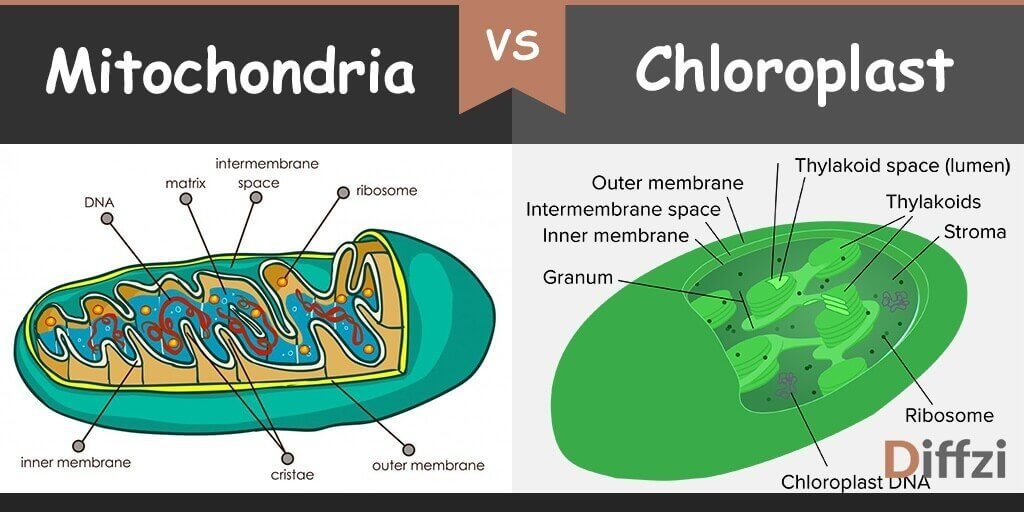
Mitochondria vs. Chloroplast - Difference and Comparison ... from diffzi.com The chloroplast is located throughout the cytoplasm of the cells of plant leaves and other parts. Ability to photosynthesize is a great advantage for an organism but not all live forms would benefit from it. The two organisms developed a symbiotic relationship over time, the larger organism providing the smaller with ample nutrients and the smaller organism providing atp molecules to the larger one. Start studying chloroplasts and mitochondria. Both the chloroplast and the mitochondrion are organelles found in the cells of plants, but only mitochondria are found in animal cells. Nucleus,chloroplast,mitochondria,plasmidsthe mitochondria and chloroplast.dna is found in the nucleus.dna is generally located in the nucleus of a cell. Although the mitochondrion's major purpose is to supply the cell with the much needed atp, it has others. Furthermore, not only plant cells but also cells of various algae that are not related to plants, have chloroplasts.
Plant cells and some algae contain an organelle called the.
Plant cells, chloroplasts, and cell walls. The structure of both organelle types includes an. Only plant cells have chloroplast, but they also have mitochondria. In an experiment, a leafy shoot was sealed by using a transparent container and the concentration of oxygen in the container was measured. Why do some cells have more mitochondria? The chloroplast is located throughout the cytoplasm of the cells of plant leaves and other parts. Transcribed image text from this question. The cells of plants and algae can contain many chloroplasts. Why do some cells have more mitochondria? The function of chloroplasts and mitochondria is to generate energy for the cells in which they live. It does not have the same function in plant cells. What cell process occurs in the mitochondria? Although the mitochondrion's major purpose is to supply the cell with the much needed atp, it has others.


Post a Comment